Harnessing Indigenous Knowledge and Science for Climate Resilience and Nature Action at UNEA-7
What do peatland and coral reef conservation and restoration have in common? They both rely on the knowledge of Indigenous Peoples, scientists and practitioners to drive effective climate resilience and nature action.
On the 9th of December 2025, UNEP’s Global Peatlands Initiative (GPI) co-hosted a high-level event that brought together two unique networks - peatland and coral reef communities.
As part of the 7th Session of the UN Environment Assembly in Nairobi, Kenya – the world’s highest-level decision-making body on environmental matters - the event ‘Harnessing Science and Indigenous Knowledge for Climate Resilience and Nature Action: a focus on peatland and coral reefs’ took place. This event focused on two at-risk ecosystems, peatlands and coral reefs, and highlighted some of UNEP’s award-winning collaborations from the Global Peatlands Initiative, the Venice Agreement, the International Tropical Peatlands Center, the International Centre for Reindeer Husbandry (ICR) and the Association of World Reindeer Herders (WRH) and partners working to restore, conserve and sustainably manage peatlands. Bringing to the stage UN leaders, ministers, Indigenous leaders and scientists, the event showcased how sustainable management of peatlands is strengthened when led and guided by traditional knowledge and science – two different knowledge systems, working as one.
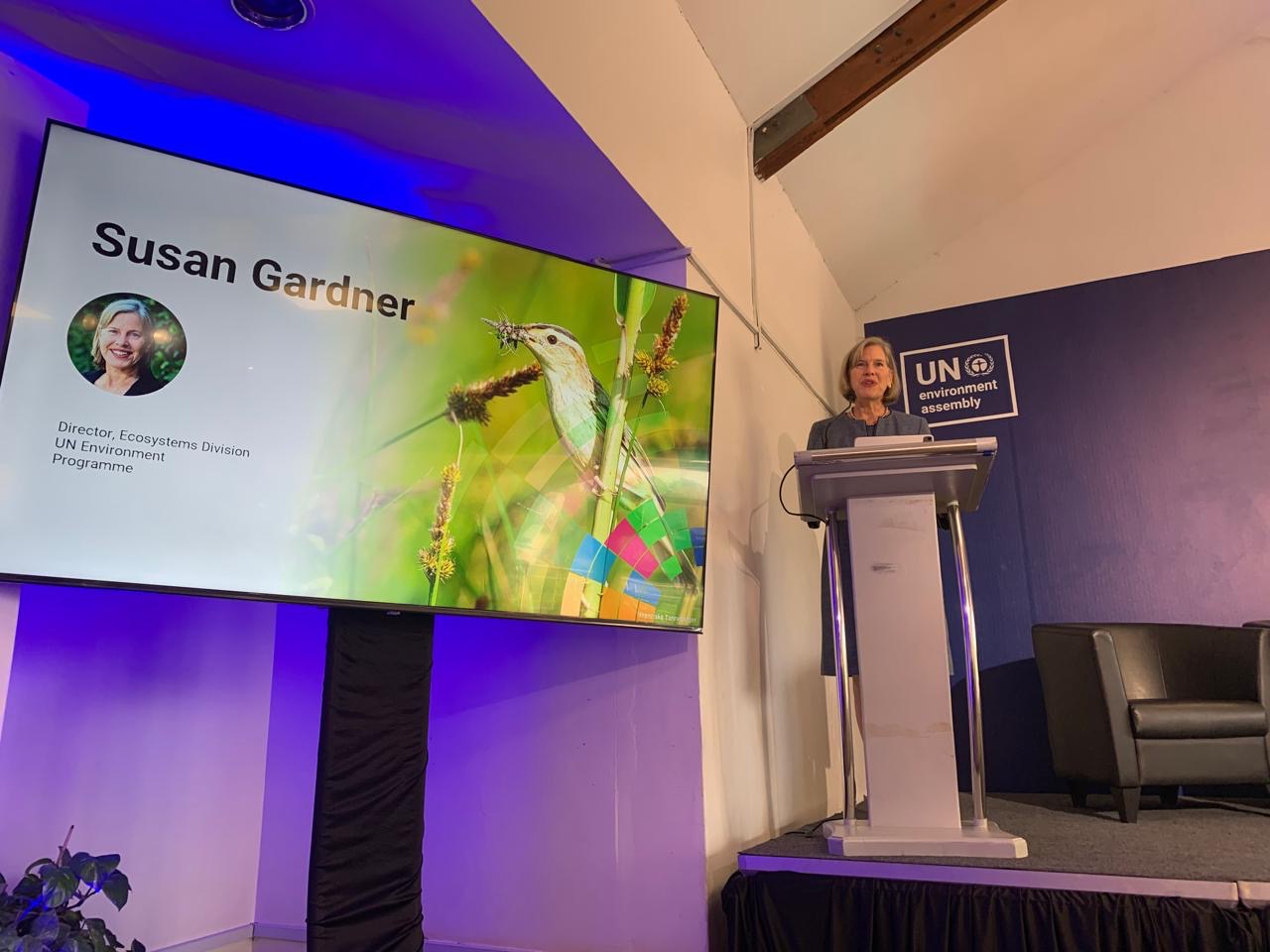
Susan Gardner, Director of UNEP’s Ecosystem Division shared that “we get the most meaningful results when Indigenous knowledge and science work together”, as she opened the event, which featured three diverse panels connected by a common stories and goals.
The first segment of the event, moderated by UNEP Goodwill Ambassador, Antoinette Taus, highlighted how UNEP and the Global Peatlands Initiative are advancing policy relevant science and scaling up action for peatlands including by providing critical science, policy and finance technical support and by integrating Indigenous and local knowledge into global findings and research – as captured in both the Global Peatlands Assessment and Global Peatland Hotspot Atlas. The panel featured the GPI original partner countries with Minister of Environment and Sustainable Development of the Democratic Republic of the Congo, H.E. Ms Marie Nyange Ndambo, and Minister of Environment, Sustainable Development and the Congo Basin of the Republic of Congo, H.E. Ms Arlette Soudan-Nonault, Erik Teguh Primiantoro, Senior Advisor of the Minister of Environment for International Cooperation and Diplomacy of Indonesia, Mariela Celsa Canepa Montalvo, Advisor to the Office of the Minister of Peru and Dianna Kopansky, UNEP’s Global Peatlands Initiative Coordinator.
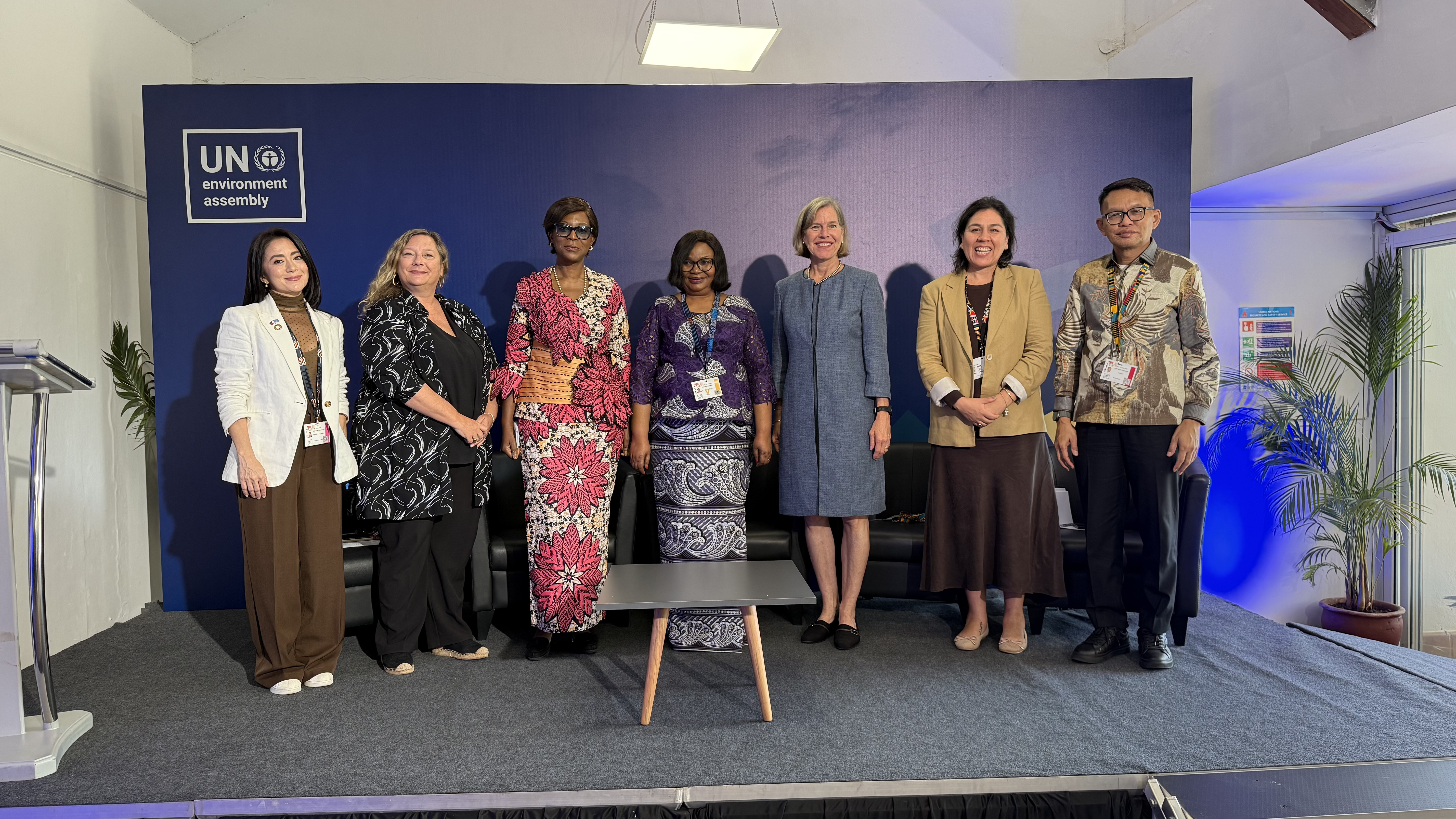
Dianna Kopansky, coordinator of the Global Peatlands Initiative, reflected on the importance of local activation, and appreciated the strong contributions of Indigenous science and knowledges that continue to help guide, inspire and inform local action for global peatlands to deliver climate and nature impact. Dianna reflected on the tremendous work carried out by the Global Peatlands Initiative partners and countries with support of the International Climate Initiative of Germany and spotlighted the Venice Agreement on Peatlands an important echo back to the UNEA 4/16 Resolution on peatlands and shared a video message..
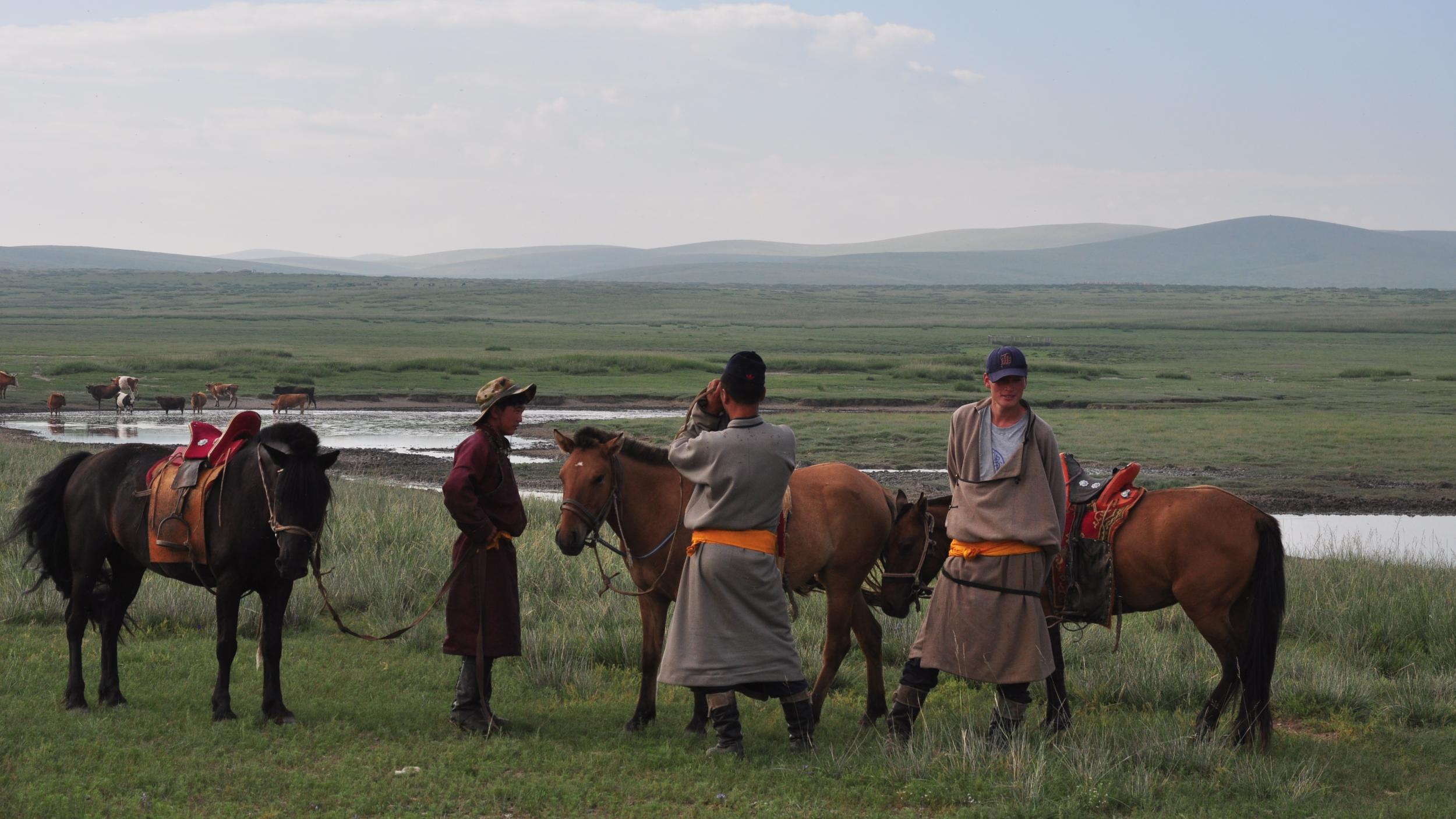
The next segment organised as a “lavvu dialogue” showcased the deep knowledge of the Sámi and Dukha herders of the Arctic and Mongolia who are managing and protecting their precious rangelands including peatland in order to retain their livelihoods by adapting to rapid climate and hydrological changes.
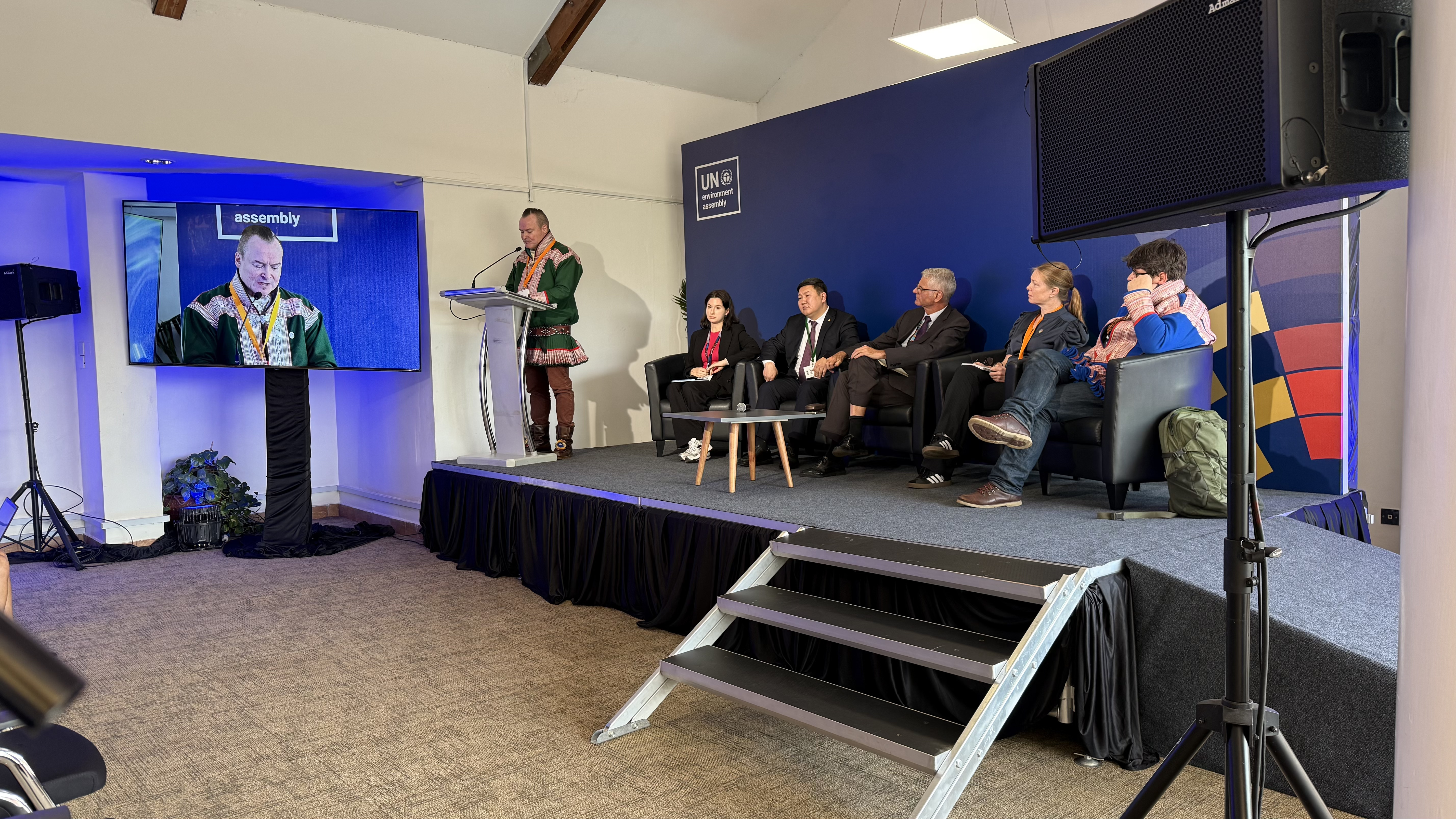
Anders Oskal, Executive Director of the International Centre for Reindeer Husbandry and Secretary General of the World Reindeer Herders, explained how deep knowledge of their landscapes is reflected in the language of the Northern Sámi Herders, with over 318 terms for snow and close to 500 for reindeer. He noted that when they “hear of terms like nature-based solutions” it can seem like an oxymoron for them because “what solutions could there be that are not built on or take nature into account”. He also expressed his discomfort with terms like “making peace with nature”, demonstrating how inseparable our lives are from the environment and ecosystems that shape them. The very landscapes that formed the traditional knowledge systems of the Sámi, and on which reindeer completely depend, along with the future of their children, their nomadic way of life, and their nations, are at the heart of their identity. “To protect reindeer herding”, he emphasized, “is to protect nature itself”.
The final segment moved from peatland ecosystems to coral reefs celebrating Indigenous leadership in protecting, caring and observing them. The session included an important call to action video message from Jason Momoa, UNEP’s advocate for Life Below Water.
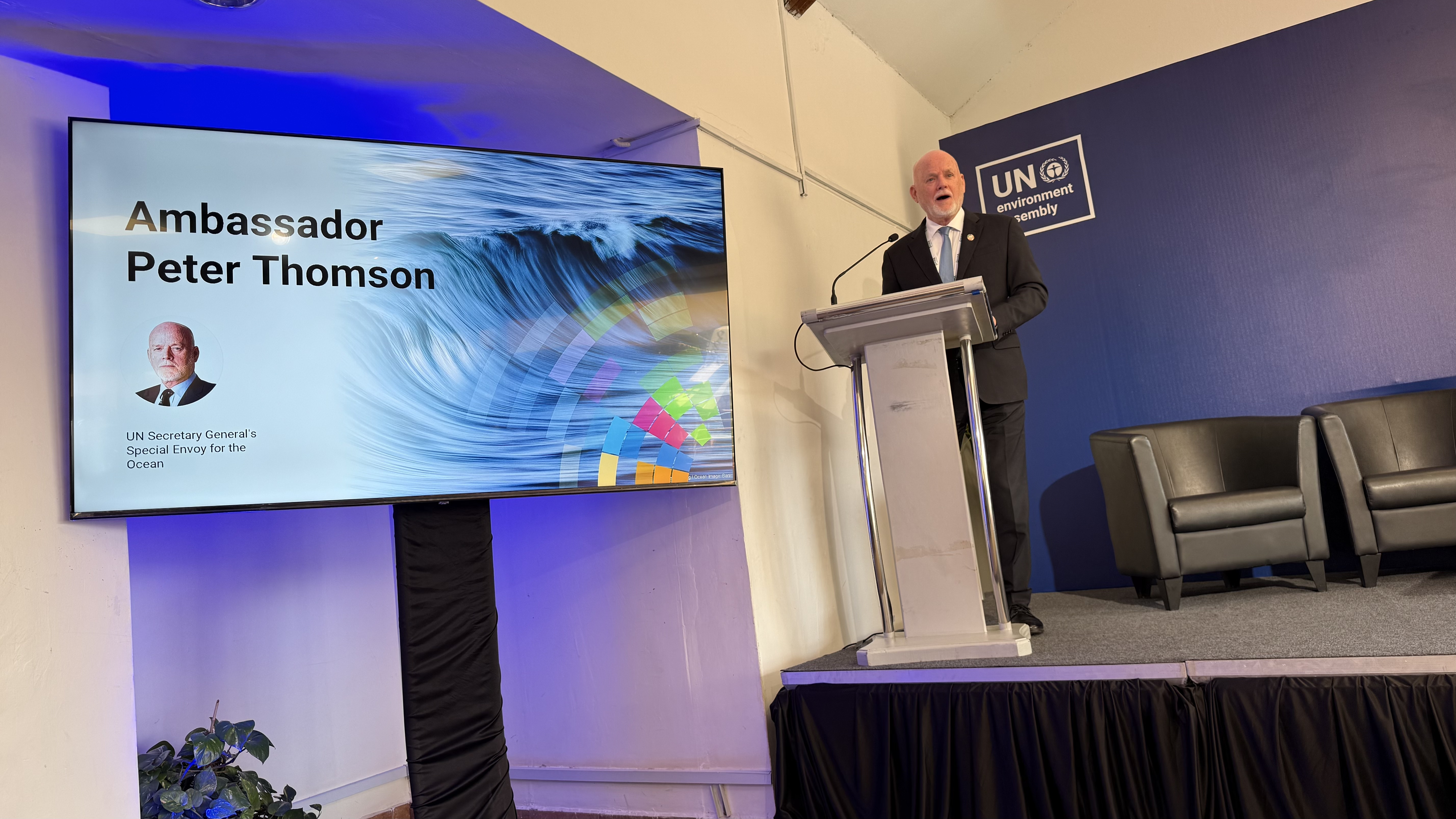
A celebration of action and collection of leaders and activists, the session was suitably closed by Ambassador Peter Thomson, UN Secretary General's Special Envoy for Ocean, drawing on the common challenges between the coral reefs and peatlands communities and with a clear call-to-action: “Indigenous Peoples must be central to conservation efforts, not as stakeholders, but as rights-holders and knowledge leaders. And when combined with evidence-based and robust science as we have seen featured here today – we activate multiple pathways needed for scaled up climate and biodiversity action”.
Watch the full event here: https://www.youtube.com/watch?v=nETFrrNtiWE